What Is a Content Creator? Skills & Career Path 2026

What Is a Content Creator? Definition, Skills & Career Path (2026)
A content creator produces entertaining or educational digital material for platforms like YouTube, Instagram, or TikTok, often monetizing through ads, sponsorships, or digital products. The role has become a legitimate career path, not a side hustle.
Key Takeaways
- Content creators are the driving force of the modern creator economy, producing everything from videos to podcasts to long-form newsletters.
- The path to becoming a successful creator involves finding a niche, mastering tools, and building an engaged audience before chasing revenue.
- Monetization avenues range from ad revenue and brand deals to selling online courses and merchandise.
- AI-powered tools are reshaping production workflows, offering real efficiency gains for solo operators.
- Consistency and SEO optimization are critical for standing out on saturated platforms in 2026.
- Mental health and burnout are real risks in this career. Sustainable systems matter as much as creative output.
1. What Is a Content Creator?
A content creator is someone who produces entertaining or educational material for any medium or channel, with a strong emphasis on digital platforms. According to Adobe, this definition covers everyone from a YouTuber producing daily vlogs to a writer publishing long-form articles on Medium. Wikipedia frames content creation as the act of making and sharing media, particularly in digital contexts. The term emerged with the rise of digital platforms in the early 2010s, but the practice has roots in storytelling as old as humanity itself. Today, a smartphone and an internet connection can kickstart a career. Standing out among millions of creators, though, requires strategy, consistency, and a real understanding of your audience.
The Evolution of Content Creation
This industry has exploded over the last decade, evolving from simple blog posts and home videos into a multi-billion-dollar economy. The YouTube channel Content Creators, run by Paul Xavier and Anthony Gallo, has built an audience of over 544,000 subscribers by teaching pro-level shooting and editing on any device. Individual educators like Millie Adrian (Modern Millie) have built full careers around teaching the Build-Scale-Profit framework, with her flagship masterclass video accumulating 654,000 views. MrBeast, the most-subscribed YouTuber with over 400 million subscribers per Wikipedia, demonstrates the ceiling a dedicated creator can reach.
Types of Content Creators
These creators span a wide spectrum, from video producers and podcasters to writers and graphic designers. The State of Digital Publishing notes that they are responsible for entertaining, educating, and influencing audiences at scale. Common types include:
- Video creators (YouTube, TikTok, Instagram Reels)
- Audio creators (podcast hosts, voiceover artists)
- Written creators (bloggers, newsletter authors)
- Visual creators (graphic designers, photographers)
Pros and Cons of Being a Content Creator
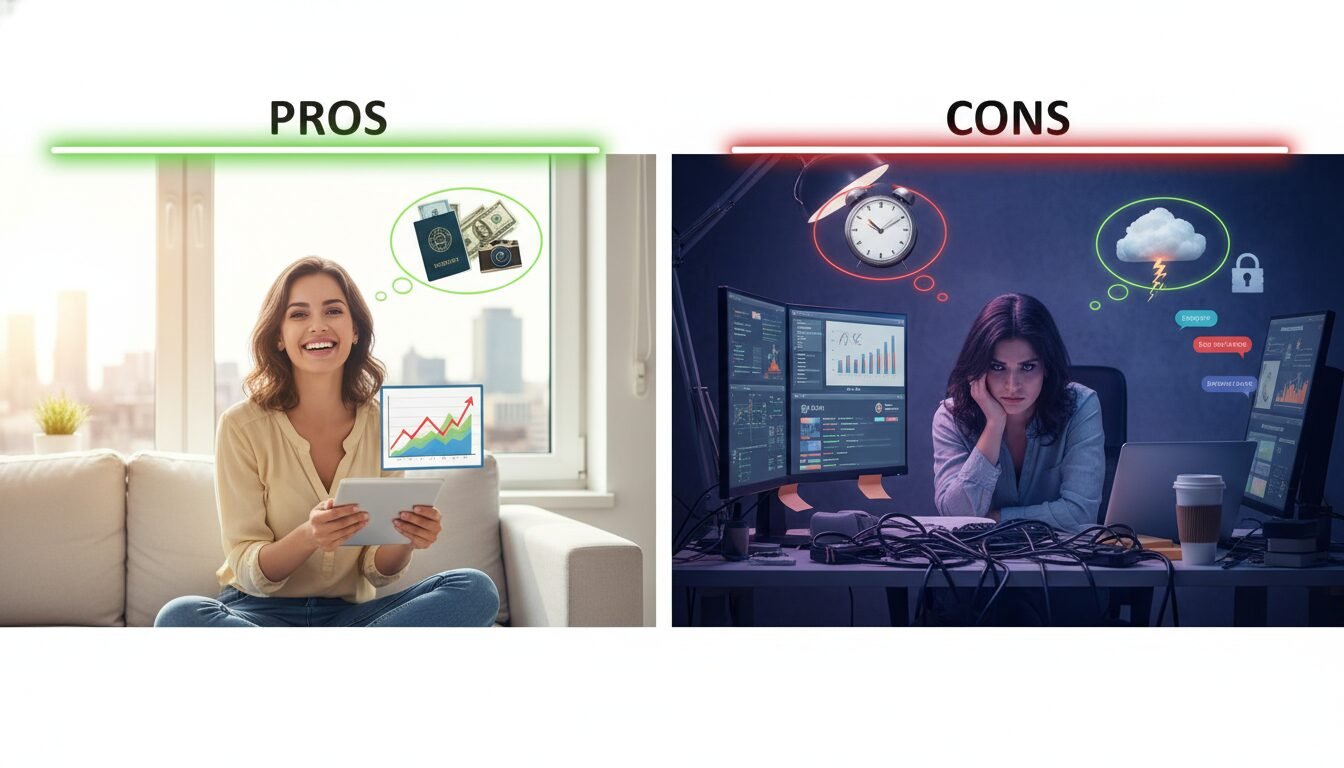
Before committing to this path, it helps to see the full picture. I’ve talked to dozens of creators at various stages, and the trade-offs are real.
Pros
- Low barrier to entry: A smartphone and free editing software like CapCut are enough to start publishing today.
- Multiple income streams: Ad revenue, sponsorships, affiliate marketing, courses, and memberships can stack into a sustainable business.
- Location independence: Most creators work from anywhere, which changes the math on lifestyle entirely.
- Compounding returns: A video published today can generate views and income for years, unlike hourly work.
- AI tailwinds: Tools like Runway ML and ChatGPT are reducing production time dramatically for solo operators.
Cons
- Inconsistent income: Early-stage creators often go 6-12 months before earning meaningful revenue. Cash flow planning is non-negotiable.
- Algorithm dependency: Platform rule changes can cut reach overnight. Diversifying across channels is essential, not optional.
- Burnout risk: The pressure to post constantly, respond to comments, and stay relevant takes a real mental health toll. This is under-discussed in creator circles.
- Intellectual property complexity: Copyright claims, fair use disputes, and music licensing issues catch new creators off guard regularly.
- Saturated niches: Generic content gets buried. Without a specific angle, even high-quality work struggles to find an audience.
2. Essential Skills for Content Creators in 2026
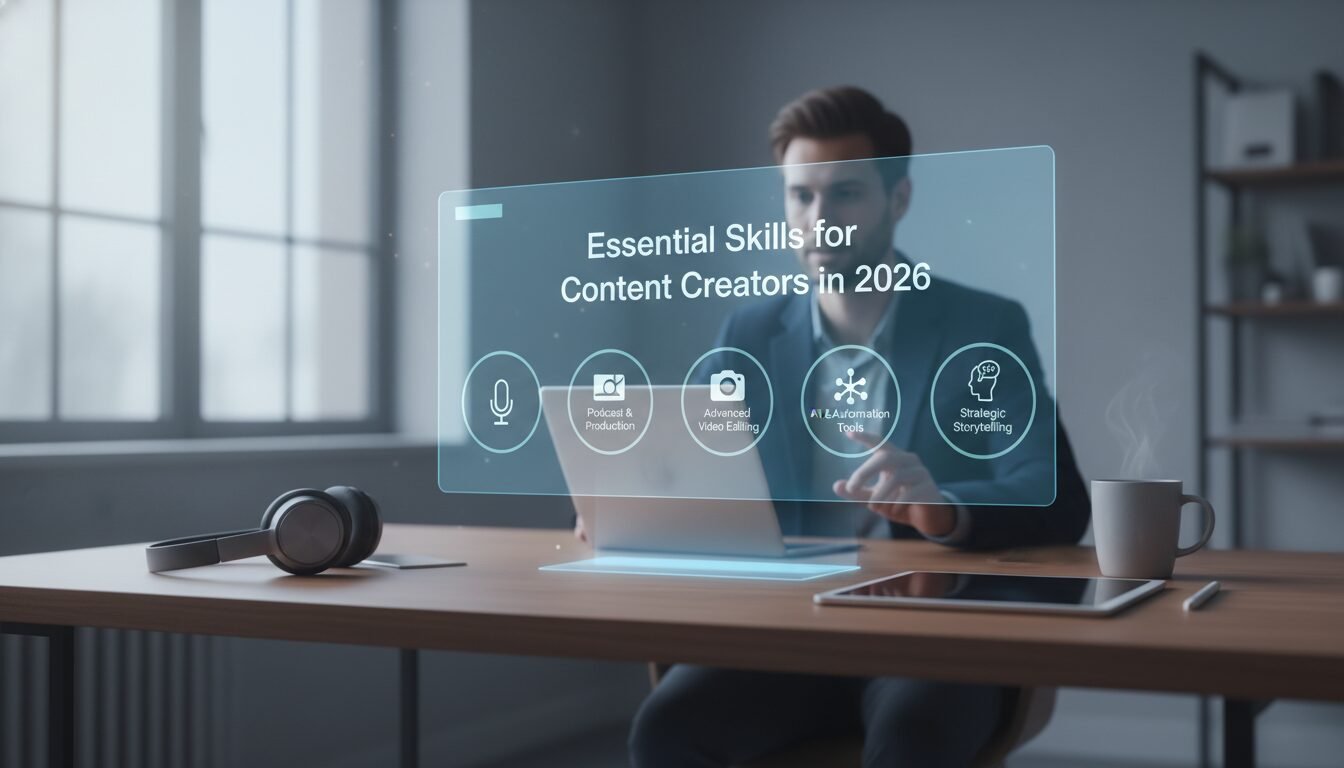
Succeeding as a creator today means blending creative ability with technical execution. Coursera highlights in-demand skills like visual design, social media strategy, and multimedia storytelling, with over 64,505 learners enrolled in the Adobe Content Creator Professional Certificate alone. The creators I see building durable businesses also adapt fast to technological shifts, especially AI integration into daily workflows.
Technical Skills: Video Production, Editing, and SEO
For video-focused creators, mastering smartphone filmmaking or professional camera work is the foundation. The Content Creators YouTube channel offers a 14-day course teaching pro-level shooting and editing on any device. Beyond production, understanding SEO for both YouTube and Google helps your work get discovered. Adobe’s blog recommends optimizing titles, descriptions, and tags with relevant keywords. Tools like Ahrefs or free alternatives such as Google Keyword Planner handle research, while YouTube Studio provides real-time performance feedback.
Soft Skills: Storytelling, Consistency, and Community Building
Technical tools matter, but storytelling is what keeps people coming back. Successful creators craft narratives that resonate with a specific audience, building loyalty and repeat engagement. Consistency is non-negotiable. As the Adobe blog states, posting regularly keeps your brand top of mind. Responding to comments and messages builds a real community around your work. Creators who interact authentically with followers typically see higher retention and more organic shares.
AI Literacy and Future-Readiness
As AI-powered tools become standard, every creator needs to understand how to use them without losing their authentic voice. Generative AI for ideation, automated editing, and thumbnail creation is quickly becoming a baseline skill, not a differentiator. The ability to critically evaluate AI outputs and maintain a distinct creative perspective is what separates top performers from everyone else.
“The creators who thrive long-term aren’t the ones who post the most. They’re the ones who build systems that let them post consistently without burning out.” – Based on patterns observed across the creator economy, 2025-2026
3. How to Become a Content Creator (Step-by-Step Guide)
The journey from idea to full-time creator follows a proven path. Drawing on insights from educators like Modern Millie and platforms like Upwork, here is a five-step process that actually works.
Step 1: Choose Your Niche and Audience
Identify a subject you’re genuinely passionate about, whether tech reviews, cooking, or personal finance, and research what that audience actually needs. Narrowing your focus helps you stand out among millions of creators. Use tools like Google Trends to see what people are searching. The “how to become a content creator” niche is highly competitive, so consider narrowing to something like “content creation for teachers” or “travel content on a budget.” Specificity is a competitive advantage, not a limitation.
Step 2: Select the Right Platform
Different platforms suit different content types. YouTube excels for long-form video, Instagram for visual storytelling, and LinkedIn for professional insights. Many creators start on one platform and expand later. Instagram’s Reels algorithm favors short, engaging clips, while LinkedIn rewards thought-leadership articles. Repurposing content across multiple channels is how smart operators maximize reach without doubling their workload.
Step 3: Plan and Create High-Quality Content
Develop a content calendar to maintain consistency. Use tools like CapCut for mobile editing or DaVinci Resolve for advanced PC editing, both recommended by the Content Creators YouTube channel. Storyboarding, scripting, and shooting in batches can shave hours off production time each week. Invest in basic gear early: a smartphone gimbal and an external microphone dramatically improve production value for under $100 combined.
Step 4: Optimize for Search and Engagement
Apply basic SEO practices: keyword research, compelling thumbnails, and clear calls-to-action. Discoverability is as important as quality. Engaging with early commenters can boost visibility signals on most platforms. Use analytics to track what works and iterate. This is a hallmark of professional operators in this space, not just hobbyists.
Step 5: Monetize and Scale Your Efforts
Once you’ve built an audience, explore revenue streams like ad revenue, sponsorship deals, affiliate marketing, and digital products. Modern Millie’s BSP Model® (Build, Scale, Profit) gives creators a clear progression: build an audience first, then systematize growth, then diversify income. Start with affiliate marketing because it requires minimal upfront investment. Once you have an email list or loyal following, launch a course or membership. The free 52-page Creator Plan guide by Modern Millie outlines this progression in detail.
4. Content Creator Formats Compared
Different formats attract different audiences and monetization models. The table below breaks down the major categories:
| Content Format | Primary Platforms | Potential Monetization | Example Creators |
|---|---|---|---|
| Video | YouTube, TikTok, Instagram Reels | Ad revenue, sponsorships, course sales | MrBeast (400M+ subscribers), Modern Millie |
| Writing & Blogging | Medium, Substack, personal sites | Affiliate marketing, paid newsletters, freelance | Writers on Adobe’s blog, State of Digital Publishing |
| Audio (Podcasting) | Spotify, Apple Podcasts | Sponsorships, listener donations, premium content | Podcasters like “Go Creative Show” |
| Visual/Graphic Design | Instagram, Pinterest | Brand deals, selling design assets | Designers using Adobe Express |
5. Monetization Strategies for Content Creators
Turning content into a career requires a strategic approach to revenue. Creators today have more ways than ever to earn money online, and the smartest ones diversify early rather than depending on a single platform’s ad program.
Platform Ad Revenue and Sponsorships
YouTube’s Partner Program shares ad revenue with eligible creators. Sponsorships, where brands pay for product mentions, can be even more lucrative for those with engaged followings. Top creators often negotiate deals directly, while micro-influencers use affiliate networks to access brand budgets without a large following. The key variable isn’t follower count. It’s engagement rate and audience trust.
Affiliate Marketing and Brand Partnerships
By linking to products in video descriptions or blog posts, creators earn commissions on sales. The Content Creators YouTube channel uses affiliate links regularly, generating income while recommending gear. Transparency is essential. Creators must disclose these relationships to maintain trust and comply with FTC guidelines. Audiences respect honesty, and disclosure rarely hurts conversion rates in practice.
Digital Products and Online Courses
Many creators package expertise into online courses, ebooks, or membership communities. ContentCreator.com sells a 14-day video mastery course, while others offer templates and presets. This model typically yields higher profit margins than ad income alone. Recurring membership platforms like Patreon also enable creators to build steady, predictable income from their most loyal fans, which changes the financial stability equation significantly.
6. Ethics, Legal Considerations, and Mental Health
This is the part most creator guides skip. I think that’s a mistake.
Copyright, Fair Use, and Intellectual Property
Copyright and fair use issues catch new creators off guard constantly. Using copyrighted music, repurposing clips without attribution, or sampling images without licensing can result in content takedowns or legal claims. Platforms like YouTube have automated Content ID systems that flag violations within hours of publishing. The safest approach: use royalty-free music libraries like Epidemic Sound or Artlist, and understand the four-factor fair use test before borrowing any third-party material.
Misinformation and Ethical Responsibility
As Wikipedia notes in its content creation entry, the spread of misinformation through creator channels is a documented societal concern. Creators who build audiences around health, finance, or political topics carry real responsibility for accuracy. Fact-checking sources, citing credible references, and correcting errors publicly aren’t just ethical practices. They’re also what builds long-term audience trust.
Burnout and Mental Health
The pressure to post constantly, respond to every comment, and stay algorithmically relevant takes a measurable toll. Many full-time creators report periods of severe burnout, often after their first 12-24 months of consistent output. Building sustainable systems, batching content, taking planned breaks, and separating personal identity from performance metrics are practices that extend careers. This isn’t soft advice. It’s operational strategy.
“Burnout in the creator economy is a structural problem, not a personal failure. The platforms are designed to reward infinite output. Creators have to design their own limits.” – Observed across creator community discussions on platforms including Reddit’s r/ContentCreators
7. Top Tools and Platforms for Content Creators in 2026
Modern creators rely on a stack of hardware and software to produce professional-grade work. Here are the essentials as of 2026.
Video Production: From Smartphone Gimbals to AI Editing
Smartphones remain a staple. Gear like the ShiftCam lens system, recommended by the Content Creators channel, enables cinematic phone footage without a $3,000 camera investment. For editing, CapCut Mobile and DaVinci Resolve offer powerful free options. AI filmmaking tools, featured in a recent Content Creators channel video on the top 5 AI tools for 2026, now automate color grading and generate visual effects in minutes. Using a variable neutral density filter alone can eliminate most exposure fixes in post-production.
Graphic Design and Audio: Adobe Express and Beyond
Adobe Express simplifies creating social media graphics, while Canva remains popular for non-designers. For audio, podcasting creators often use Riverside.fm or Descript to record and edit remotely, ensuring broadcast-quality sound. For written content, Grammarly and Hemingway Editor polish copy, and SEO tools like Ahrefs or Google Keyword Planner optimize discoverability. The full stack for a professional solo creator costs roughly $50-150 per month depending on which paid tiers you choose.
8. The Future of Content Creation: AI and the Creator Economy
The landscape for creators is shifting fast, with artificial intelligence playing a central role. In 2026, AI isn’t just a buzzword. It’s an integral part of the toolkit for anyone serious about this work.
AI-Powered Content Tools
From AI script generators to automated video editing, tools like Runway ML and ChatGPT are enabling creators to work faster and experiment more freely. As the Content Creators YouTube channel highlighted in their “Top 5 AI Filmmaking Tools 2026” video, AI can now produce hyper-realistic visual effects in minutes. This democratization of advanced production techniques means a solo creator can compete with studio-level output for the first time. That’s a structural shift, not a trend.
The Shift from Influencer to Educator
Audiences are gravitating toward creators who provide genuine value: tutorials, deep dives, and skill-building content. This shift means creator-educators, like those behind ContentCreator.com or Modern Millie, will continue to thrive by teaching others how to create. The BSP Model® (Build, Scale, Profit) captures a sustainable approach that prioritizes long-term audience trust over fleeting viral moments. That’s the model I’d bet on for the next five years.
Frequently Asked Questions
What exactly does a content creator do?
A content creator produces digital material, including videos, articles, podcasts, and graphics, that informs or entertains a target audience. The goal is typically to build an online following and generate income through multiple revenue streams over time.
How much do content creators earn?
Earnings vary widely. Beginners often earn little to nothing in the first 6-12 months, while established creators can earn six or seven figures annually through diversified revenue including ads, sponsorships, and digital products. There is no standard salary. Income scales with audience size, engagement, and monetization strategy.
Do I need a degree to become a content creator?
No formal degree is required. Skills in communication, video production, or marketing are helpful, but most successful creators are self-taught or take focused online courses like the Adobe Content Creator Professional Certificate available through Coursera. Practical output matters far more than credentials in this field.
What equipment do beginner content creators need?
Start with a smartphone with a decent camera, a basic external microphone, and free editing software like CapCut or Canva. As you grow, invest in lighting and advanced gear. The Content Creators YouTube channel has tutorials showing professional results from entry-level equipment costing under $200 total.
How long does it take to start earning money as a content creator?
Many creators report their first income within 6-12 months of consistent posting, provided they’ve built a small but engaged audience and explored multiple monetization channels. Affiliate marketing typically generates income faster than platform ad programs, which require minimum thresholds before paying out.
Is content creation still worth pursuing in 2026?
Yes. The creator economy continues to grow, and those who deliver unique value and adapt to new tools, including AI integration, will find real opportunity. The demand for quality, specific, trustworthy content is higher than ever. Generic content struggles. Specific, well-executed content still wins.
If you’re building a content strategy or thinking about how AI fits into your creative workflow, connect with me at aminferdowsi.com. I work with founders and creators on exactly these questions.
Enjoyed this article?
Connect with me for collaboration, ventures, or just a good conversation about building things.
Get in Touch