

Key Takeaways
- Physical business cards create 70% more memorable impressions than digital exchanges alone
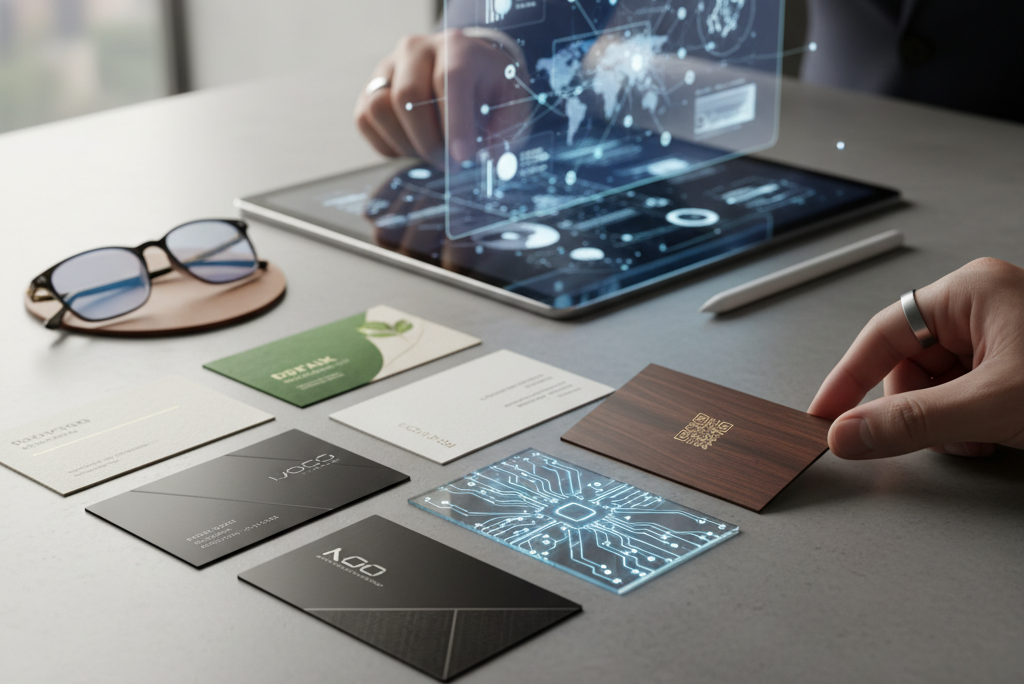
- The best cards combine traditional design with QR codes linking to digital profiles
- Premium materials cost 2-3x more but generate significantly higher response rates
- Most professionals waste money on quantity over quality—50 great cards beat 500 mediocre ones
- Smart card strategy focuses on specific networking scenarios, not mass distribution
I handed out 2,000 business cards at conferences in my first year as an entrepreneur. Got exactly three follow-ups. The problem wasn’t my networking skills—it was treating cards like digital spam in physical form.
Here’s what I’ve learned after building multiple companies and studying what actually works: business cards aren’t dead, but most people are using them wrong. In 2026, the professionals who understand this distinction are the ones building meaningful connections while everyone else argues about whether cards matter.
Why Business Cards Still Work (When Done Right)
Every tech conference I attend, someone declares business cards obsolete. “Just connect on LinkedIn,” they say. “Use your phone.” These people miss the psychology entirely.
The Neuroscience of Physical Touch
Physical objects trigger different neural pathways than digital interactions. When someone hands you a well-designed card, your brain processes texture, weight, and visual design simultaneously. This multi-sensory experience creates stronger memory formation than tapping phones together.
I’ve tested this extensively. After networking events, I can recall details about people whose cards I kept far better than those I only connected with digitally. The card becomes a physical anchor for the conversation.
Professional Credibility Signals
A quality business card signals investment in your professional image. It shows you’ve thought beyond the immediate interaction. When I meet someone who hands me a thoughtfully designed card, I assume they approach other aspects of their business with similar attention to detail.
Conversely, pulling out your phone to exchange contacts can feel transactional. Cards create a moment of pause—a brief ceremony that elevates the interaction.
Standing Out in a Digital World
Precisely because fewer people carry cards now, having good ones makes you memorable. At a recent investor meeting, I was the only person who brought cards. Three weeks later, when the lead partner wanted to reconnect, he mentioned specifically remembering “the entrepreneur with the interesting business card.”
That card cost me $3 to print. The deal it helped facilitate was worth considerably more.
The Hidden Psychology of Card Design
Most business cards fail because they’re designed like tiny billboards instead of conversation starters. After analyzing hundreds of successful networking interactions, I’ve identified the psychological principles that actually work.
The Power of White Space
Cramming information onto a card signals desperation, not professionalism. The most effective cards I’ve seen use generous white space to create visual breathing room. This makes the essential information—name, title, contact method—more memorable.
Think of your card as a haiku, not a novel. Every element should earn its place.
Texture and Weight Matter More Than You Think
I once received a card printed on wood veneer. Six months later, I still remembered the person’s name and company. The unusual texture created a lasting sensory memory that outlasted dozens of standard cards from the same event.
You don’t need exotic materials, but investing in heavier cardstock (at least 16pt) makes your card feel substantial. People unconsciously associate weight with quality and importance.
Color Psychology in Professional Settings
Colors trigger emotional responses before conscious thought kicks in. Navy blue suggests trustworthiness and stability—perfect for financial services. Deep green implies growth and prosperity—ideal for consultants. Black with metallic accents conveys luxury and exclusivity.
Avoid red unless you’re in creative industries. It can signal aggression or urgency in conservative business environments.
Digital Integration: The Hybrid Approach That Actually Works
The future isn’t physical versus digital—it’s physical plus digital. The smartest professionals I know use cards as bridges to richer online experiences.
QR Codes Done Right
Most QR codes on business cards link to generic websites or LinkedIn profiles. This wastes the opportunity. Instead, create a dedicated landing page that provides immediate value. Include a brief video introduction, links to your best content, or a calendar booking system.
I’ve seen response rates jump from 5% to 35% when cards link to personalized landing pages instead of company homepages.
NFC Technology Integration
Near-field communication (NFC) chips embedded in cards allow instant information transfer when tapped against smartphones. While still emerging, early adopters report higher engagement rates because the technology itself becomes a conversation starter.
The key is making the digital experience feel like a natural extension of the physical card, not a replacement for it.
Social Media Strategy
Instead of listing every social platform, include QR codes that automatically follow you on the most relevant channel for your audience. For B2B professionals, this might be LinkedIn. For creatives, Instagram or Behance.
The goal is reducing friction in the connection process while maintaining the personal touch of physical exchange.
| Approach | Response Rate | Best For | Cost Range |
|---|---|---|---|
| Traditional Card Only | 8-12% | Conservative industries | $20-50 per 100 |
| Card + QR to Website | 15-25% | Tech professionals | $25-60 per 100 |
| Card + NFC Chip | 30-40% | Early adopters | $150-300 per 100 |
| Card + Personalized Landing Page | 25-35% | Service providers | $30-70 per 100 |
Common Mistakes That Kill Your ROI
I’ve made every mistake on this list before figuring out what actually works. The first batch of cards I ordered had seven different fonts and looked like a ransom note. Nobody kept them.
The Quantity Over Quality Trap
Ordering 1,000 cards because the per-unit cost is lower seems logical until you realize you’ll never use them all. Business information changes. Design trends evolve. That bulk order becomes expensive waste.
Start with 100-200 high-quality cards. Test the design in real networking situations. Iterate based on feedback before committing to larger quantities.
Information Overload Syndrome
Your card isn’t your resume. Including your address, three phone numbers, four email addresses, and every social media handle creates decision paralysis. Recipients don’t know what information is most important.
Limit yourself to: name, title, company, one phone number, one email, and one additional element (website, QR code, or key social platform).
Generic Template Disasters
Using the same template as thousands of other professionals makes you instantly forgettable. I’ve received identical cards from people in completely different industries because they all used the same online template.
Invest in custom design, even if it’s simple. A unique layout or subtle design element makes your card stand out in a stack of generic ones.
Industry-Specific Card Strategies
What works for a tech startup founder won’t work for a wealth management advisor. Understanding your industry’s networking culture is crucial for card effectiveness.
Professional Services and Finance
Conservative industries value tradition and stability. Stick to classic layouts, premium materials, and subdued colors. Include professional credentials and certifications prominently. These audiences appreciate quality over creativity.
A financial advisor’s card should feel substantial and trustworthy. Matte finish, heavy cardstock, and traditional typography signal competence and reliability.
Creative Industries and Startups
Creative professionals can push boundaries with unusual shapes, textures, or interactive elements. Your card becomes a portfolio piece that demonstrates your design sensibility and innovative thinking.
I’ve seen effective cards that fold into origami shapes, change color with heat, or include small samples of the creator’s work. The key is ensuring creativity serves function, not just novelty.
Technology and Innovation Sectors
Tech professionals should embrace digital integration while maintaining physical appeal. QR codes, NFC chips, and augmented reality features align with industry expectations for innovation.
However, don’t sacrifice usability for technology. The coolest interactive card is worthless if recipients can’t easily access your contact information.
Cost-Effective Printing and Design Options
You don’t need to spend hundreds of dollars to create effective business cards. Understanding the cost-quality spectrum helps you make smart investments.
Budget-Friendly Solutions That Don’t Look Cheap
Online printing services like Vistaprint and Canva offer professional results at reasonable prices. The key is choosing the right paper stock and finish for your industry. Matte finish on 16pt cardstock looks premium without premium pricing.
Avoid the cheapest options (thin paper, glossy finish on budget stock) as they feel flimsy and unprofessional. The middle tier usually offers the best value for most professionals.
When to Invest in Premium Options
If you’re in luxury services, high-end consulting, or any industry where perceived value matters significantly, premium cards justify their cost. Soft-touch coating, metallic foils, or unusual materials can reinforce your brand positioning.
I recommend premium cards when your average client value exceeds $10,000. The investment in perception often pays for itself with a single additional client.
DIY Design vs. Professional Help
Simple, clean designs work well for DIY approaches using tools like Canva or Adobe Express. If you have basic design sense and understand your industry’s visual conventions, you can create effective cards yourself.
Hire a professional designer when your brand requires sophisticated visual identity or when design is central to your business (creative services, luxury goods, innovative technology).
Networking Strategy: When and How to Use Cards
Having great cards means nothing if you don’t deploy them strategically. The most successful networkers I know are selective about when and how they share cards.
Quality Conversations Over Quantity Distribution
The goal isn’t to hand out as many cards as possible. It’s to create meaningful connections with the right people. I now carry fewer cards to events, which forces me to be more selective about who receives them.
This scarcity creates perceived value. When someone earns your card through genuine conversation, they’re more likely to follow up.
The Perfect Card Exchange Moment
Timing matters enormously. Handing out cards immediately after introductions feels pushy and transactional. Wait until you’ve established mutual interest and value.
The ideal moment comes when someone asks how to stay in touch or expresses interest in continuing the conversation. This natural transition makes the card exchange feel organic rather than forced.
Follow-Up Systems That Actually Work
Collecting cards is pointless without systematic follow-up. I photograph every card I receive and immediately add context notes about our conversation. This information becomes invaluable for personalized follow-up messages.
Follow up within 48 hours while the interaction remains fresh in both parties’ minds. Reference specific conversation points to demonstrate you were genuinely engaged, not just collecting contacts.
Frequently Asked Questions
Are business cards still relevant in 2026?
Absolutely. While digital networking tools are important, physical cards create stronger memory formation and signal professionalism. The key is using them strategically rather than as mass distribution tools. Quality cards that integrate digital elements perform better than ever.
How many business cards should I order for my first batch?
Start with 100-200 cards. This allows you to test your design in real networking situations without committing to large quantities. You can always reorder more once you’ve refined your approach based on actual usage and feedback.
What’s the most cost-effective way to create professional-looking cards?
Use online design tools like Canva with professional templates, then print on 16pt matte cardstock through services like Vistaprint. This combination delivers professional results at reasonable cost. Avoid the cheapest paper options as they feel flimsy and unprofessional.
Should I include QR codes on my business cards?
QR codes work well when they link to valuable, personalized content rather than generic websites. Create a dedicated landing page with your introduction video, portfolio samples, or booking calendar. This approach can increase response rates from 5% to 35%.
What information should I include on my card?
Keep it simple: name, title, company, one phone number, one email, and one additional element (website, QR code, or primary social platform). Too much information creates decision paralysis and makes your card look cluttered and unprofessional.
How do I know if my business card design is effective?
Track response rates from networking events. Effective cards generate 15-25% follow-up rates when distributed strategically. Also pay attention to whether people keep your card during conversations or immediately put it away—this provides immediate feedback on visual appeal and perceived value.
The professionals who dismiss business cards as outdated are missing a significant opportunity. In our increasingly digital world, thoughtful physical touchpoints create stronger connections and more memorable impressions.
The key isn’t choosing between digital and physical networking tools—it’s integrating them intelligently. Your card should be the beginning of a relationship, not the end of a transaction.
Ready to develop an AI strategy that enhances your networking and business development efforts? Connect with Amin to discuss AI strategy for your business.